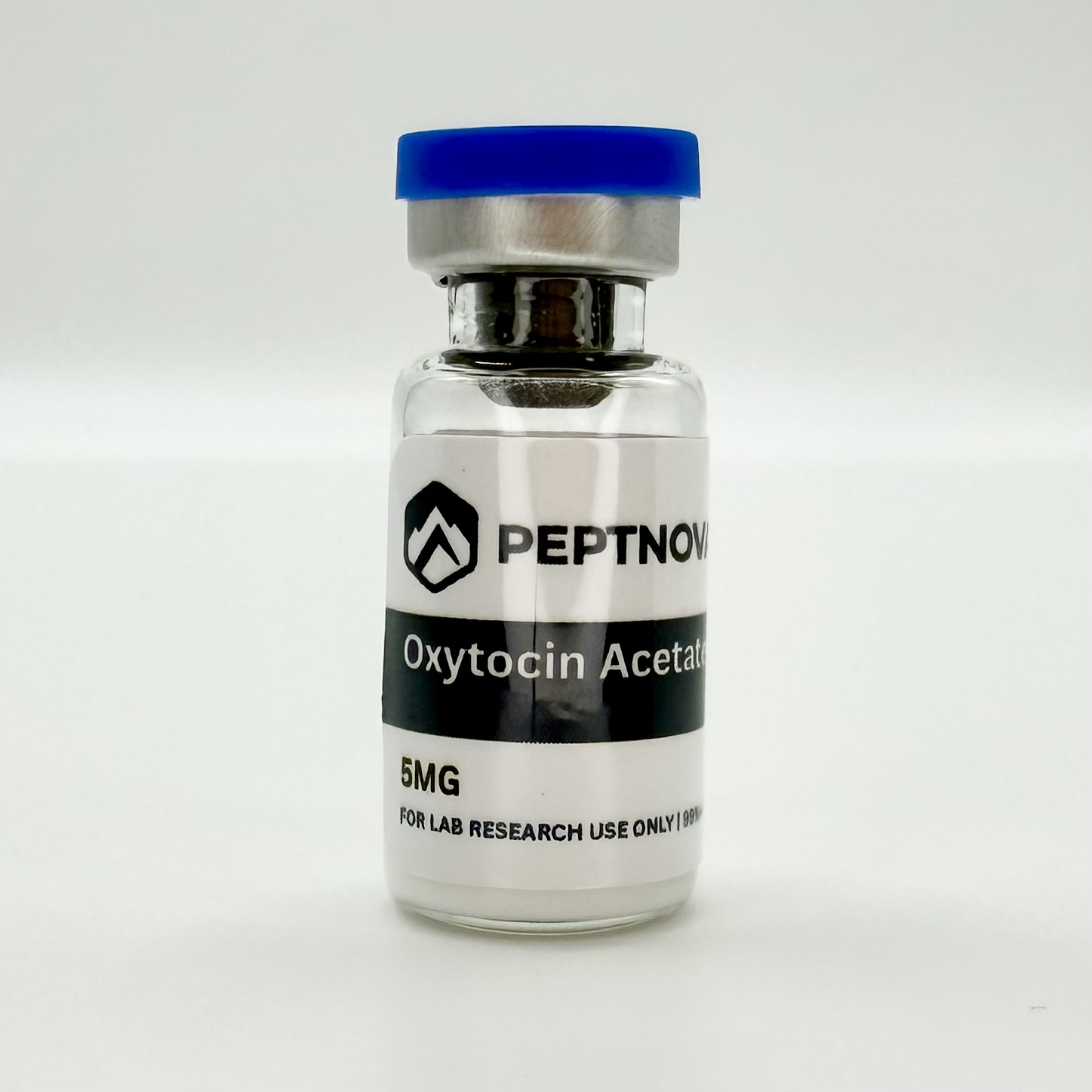
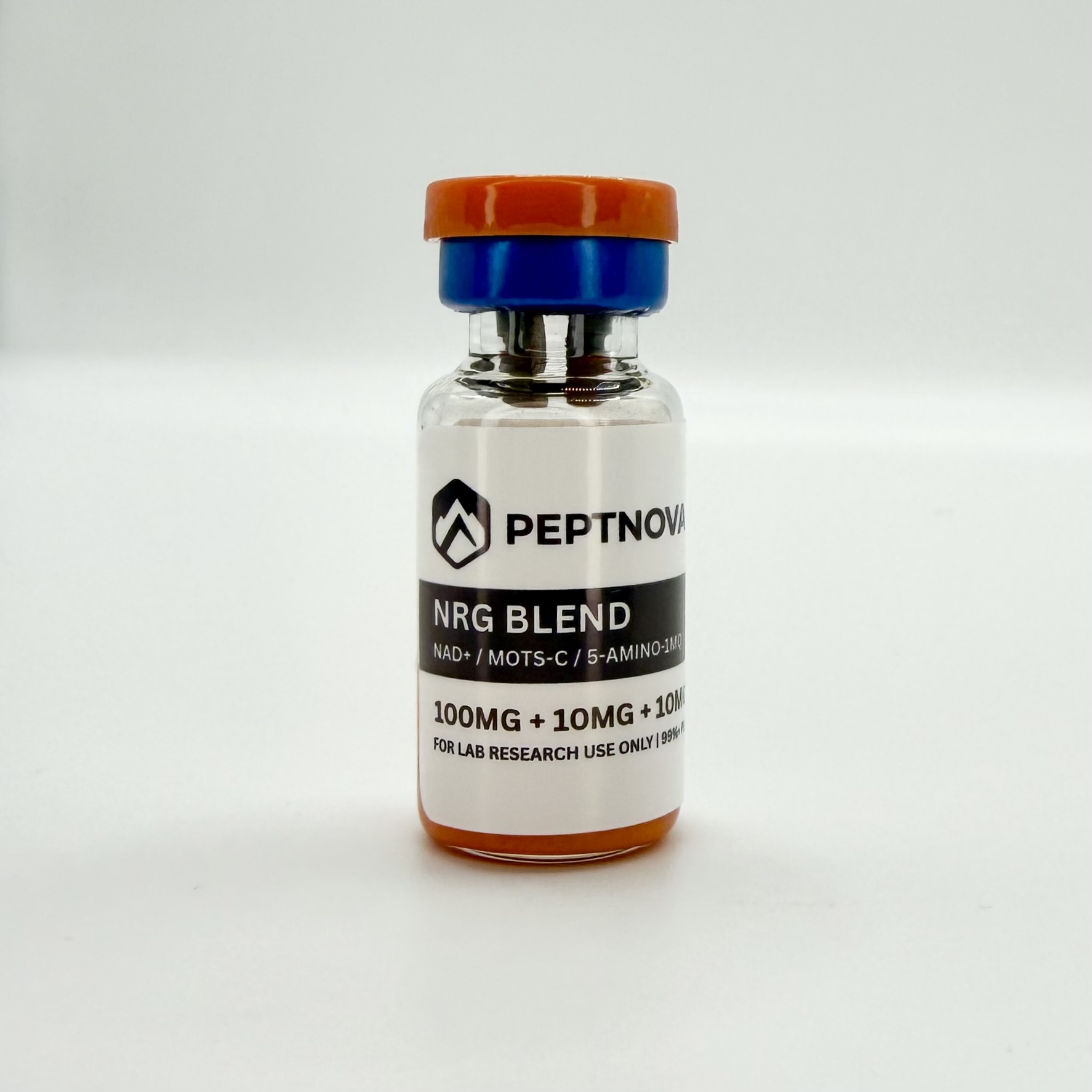
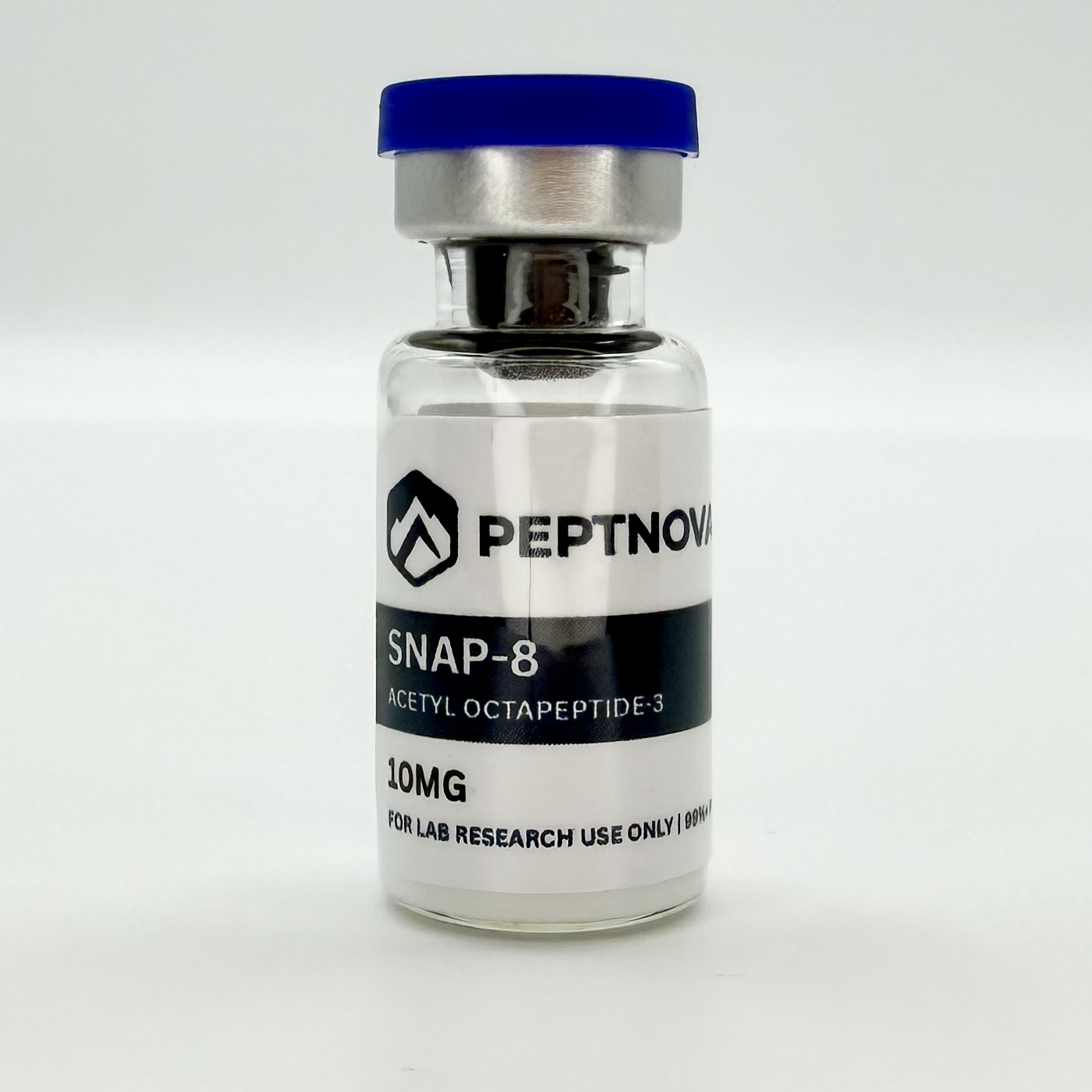
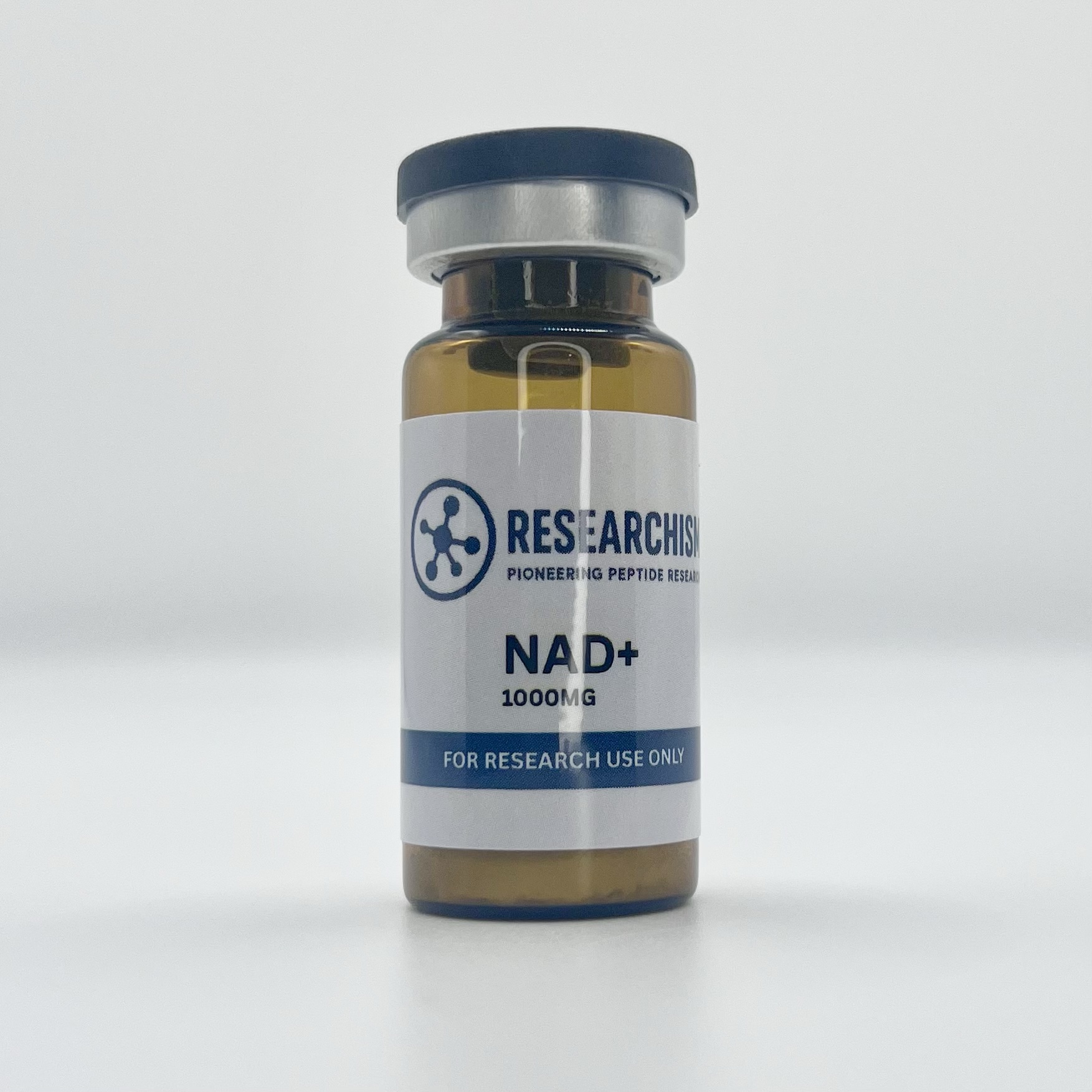
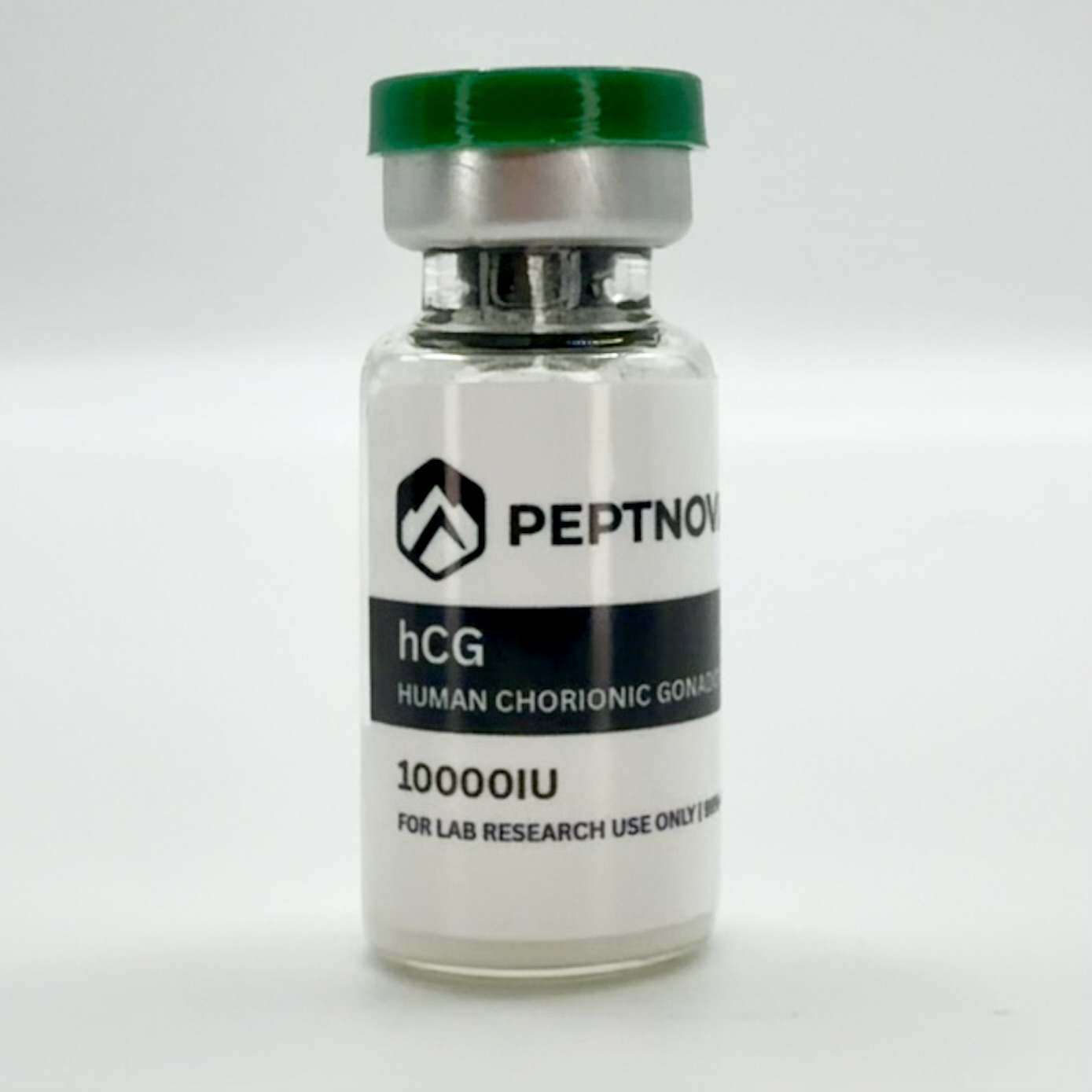
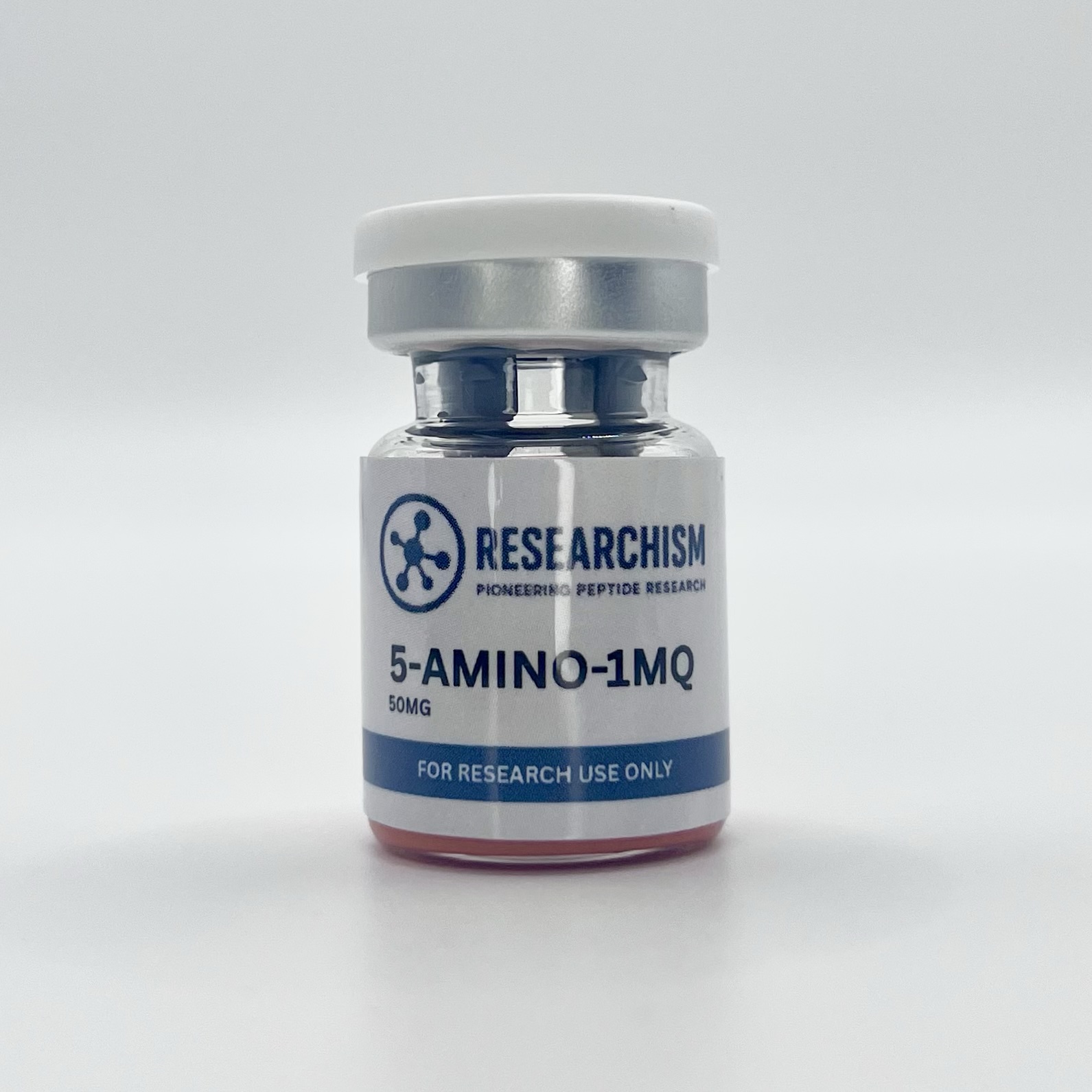
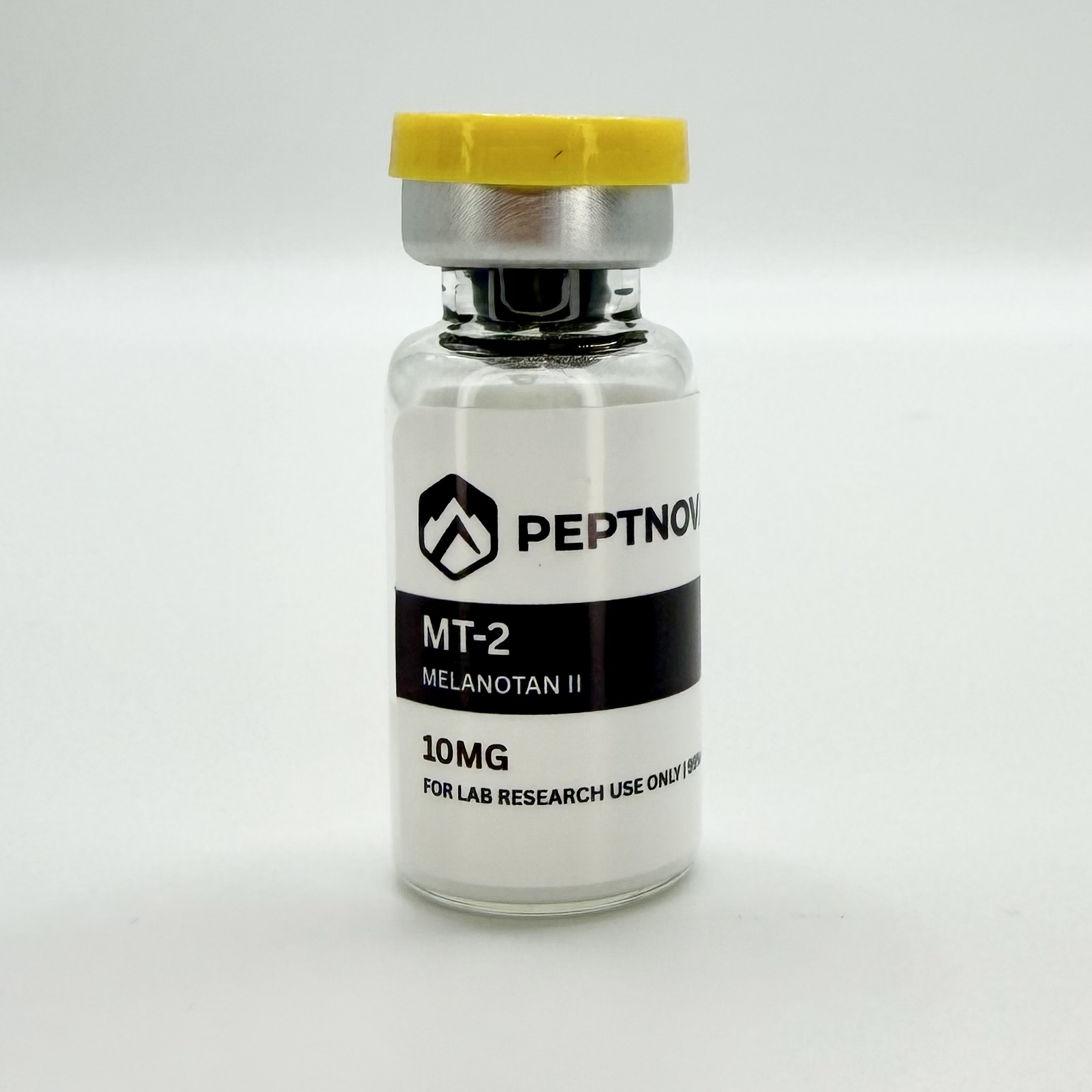
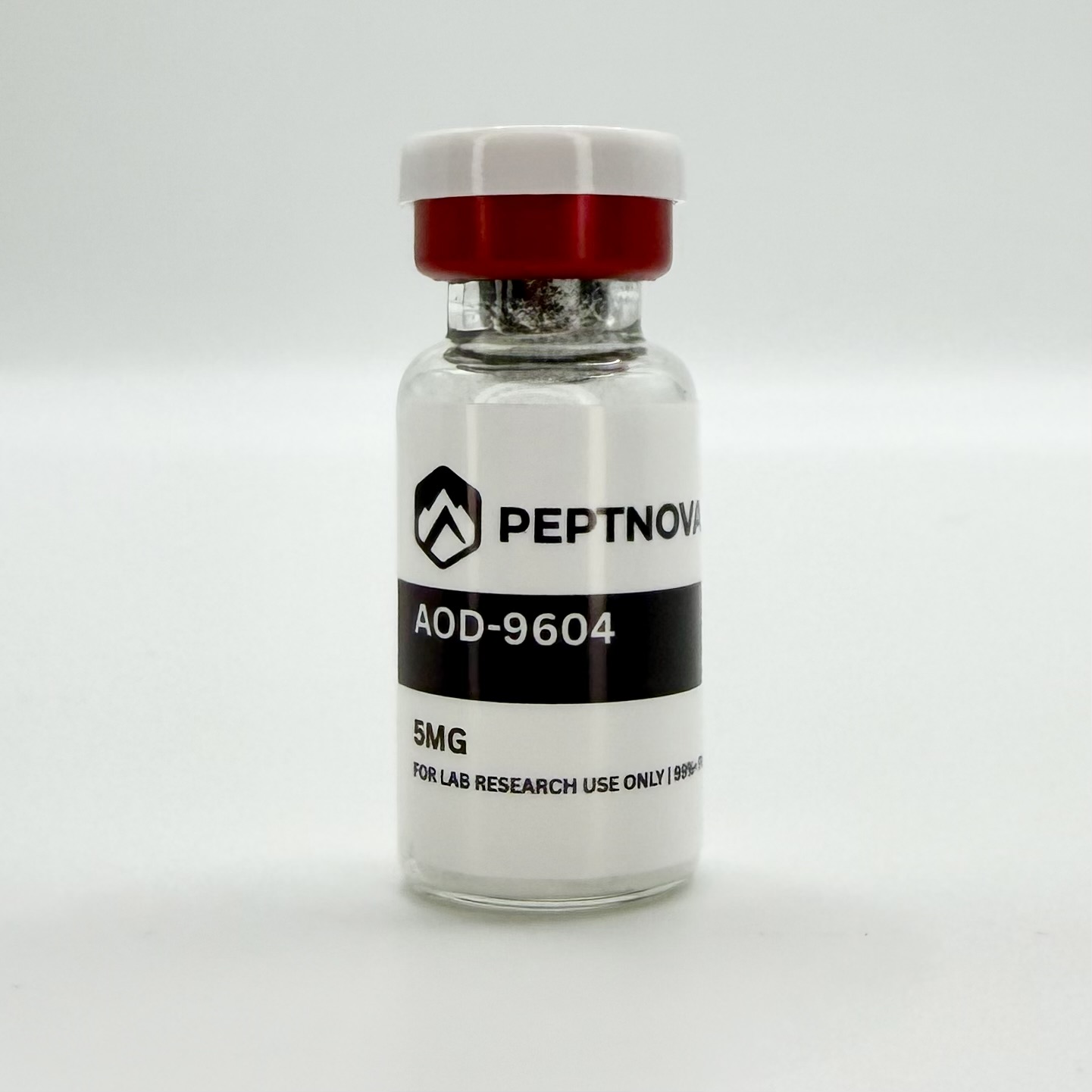
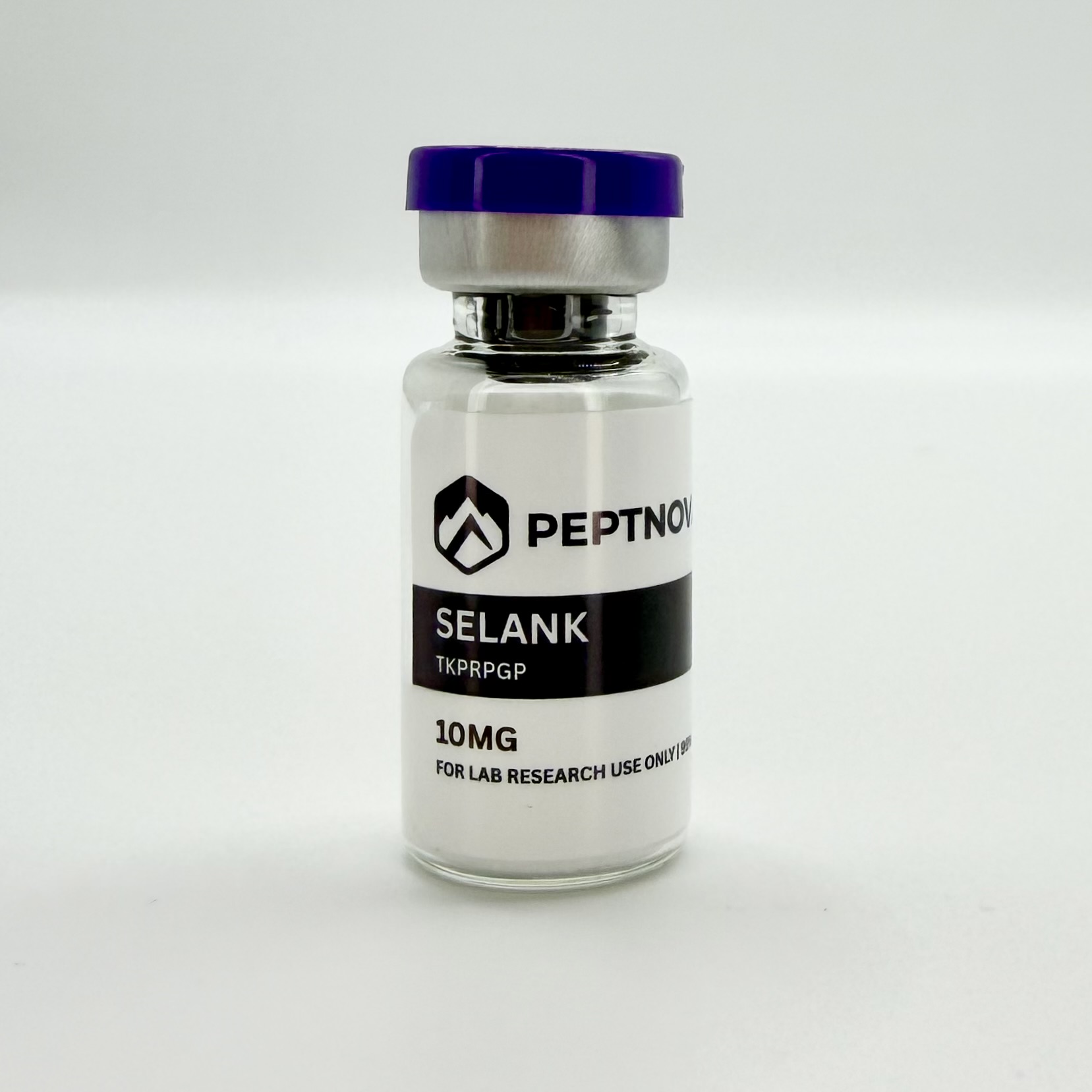
All products are supplied strictly for laboratory research purposes only.
- Lyophilised (Freeze-Dried) Peptides Store at -20°C or below for long-term preservation.
- Keep vials tightly sealed and protected from moisture.
- Protect from direct sunlight and excessive heat.
- Allow the vial to reach room temperature before opening to minimise condensation.
Reconstituted Materials:
- Once reconstituted, aliquot where appropriate to minimise repeated freeze-thaw cycles.
- Store refrigerated at 2°C-8°C unless compound-specific requirements indicate otherwise.
- Avoid repeated freezing and thawing, which may accelerate degradation.
General Handling:
- Use appropriate laboratory PPE and standard laboratory procedures.
- Minimise exposure to air, moisture, and light during handling.
- Keep containers clearly labelled and securely closed when not in use.
- Maintain appropriate records of storage conditions and batch information.
Research Use Only Notice:
These materials are supplied exclusively for laboratory research use. They are not intended for human or veterinary use, consumption, diagnosis, treatment, or therapeutic application. Any use outside legitimate research activities is prohibited.
We are not a pharmacy, healthcare provider, or medical supplier. We do not offer medical advice, we do not dispense medicines, and we do not promote any product for the diagnosis, treatment, cure, or prevention of any disease or condition in humans or animals.
All compounds offered for sale on this website are provided strictly for research use only. By accessing our website and purchasing from us, you confirm that you understand and agree to these conditions.
Research Use Only
Our products are intended exclusively for use in laboratories, universities, and by qualified independent researchers. They are sold solely for scientific research, analytical testing, and educational purposes. Not for human or veterinary consumption – none of our products are approved or suitable for ingestion, injection, topical application, or any other form of administration to humans or animals. Not medicines – compounds such as BPC-157, TB-500, Semax, Selank, Retatrutide and others listed on our site may be the subject of ongoing or past clinical research, but they are not authorised medicines and are not marketed by us as such. Research-grade only – products are supplied with no warranties or representations regarding safety, efficacy, or suitability for any purpose outside of controlled research environments.
Regulatory Compliance
We fully acknowledge and comply with relevant UK laws and regulations. The sale of compounds through this website is conducted strictly on a non-medicinal, research-only basis. Nothing on this website should be interpreted as an attempt to market or promote products as medicinal. We expressly disclaim any suggestion that our products are intended for therapeutic use.
Responsibility of the Buyer
By ordering from this website, you confirm that: You are a qualified researcher, laboratory, or institution familiar with handling research chemicals. You will use our products solely in compliance with all applicable laws, safety guidelines, and ethical research standards. You accept that it is your responsibility to determine the suitability of the products for your intended research purposes. You will not use, or allow others to use, our products for human or veterinary applications under any circumstances.
Limitation of Liability
We cannot accept liability for any misuse, improper handling, or unlawful application of our products. By purchasing from us, you agree to indemnify and hold harmless our company, its directors, and employees against any claims arising from the use of products supplied. All products are provided on an “as-is” basis without warranties, express or implied. We disclaim any liability for direct, indirect, incidental, or consequential damages resulting from the use of our products outside of the stated research purpose. Contact & Questions If you have any questions about this disclaimer or the appropriate use of our products, please contact us directly at: info@peptnova.com. We are happy to clarify our policies and ensure transparency.