Overview:
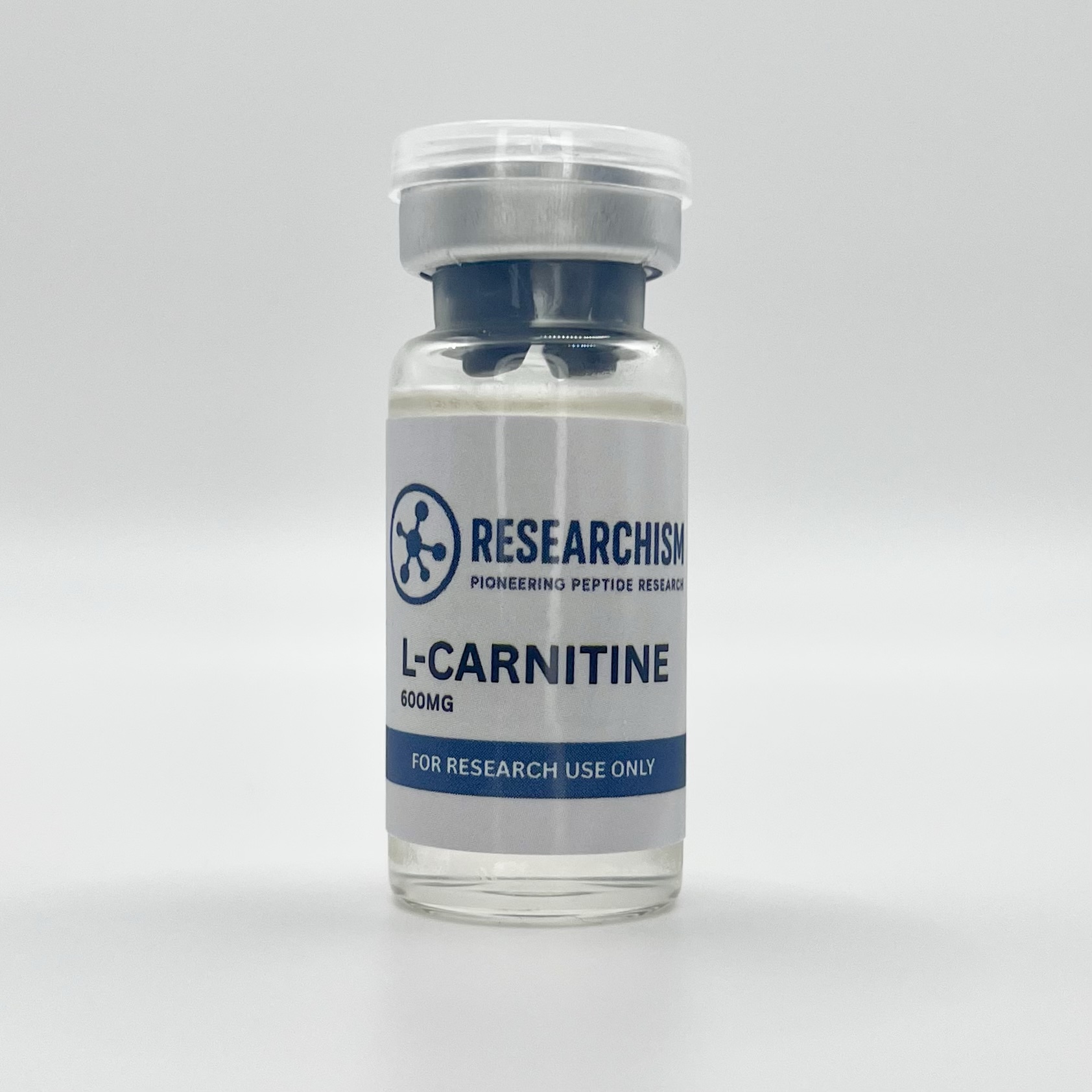
L-Carnitine is a naturally occurring quaternary ammonium compound derived
from the amino acids lysine and methionine. It plays a central role in cellular
energy metabolism.
Physiological Role:
- Transports long-chain fatty acids into the mitochondria for β-oxidation
- Facilitates energy production from fat metabolism
- Assists in removal of toxic acyl compounds from mitochondria
Research Areas:
- Exercise performance and recovery
- Fatigue and metabolic support
- Cardiovascular health
- Male fertility (sperm motility studies)
- Mitochondrial disorders
Clinical Context:
Oral and injectable L-carnitine formulations are used in certain medical settings
(e.g., primary carnitine deficiency). Research continues regarding its role in
metabolic health and athletic performance.
Safety Considerations:
Generally well studied compared to many research peptides. Potential side
effects may include gastrointestinal discomfort and, at higher doses, a fish-like
body odor due to trimethylamine production.
FOR RESEARCH USE ONLY